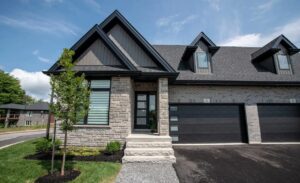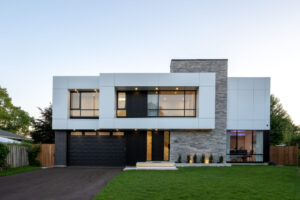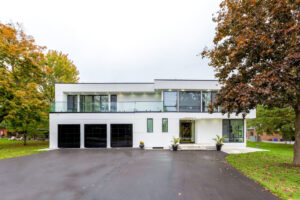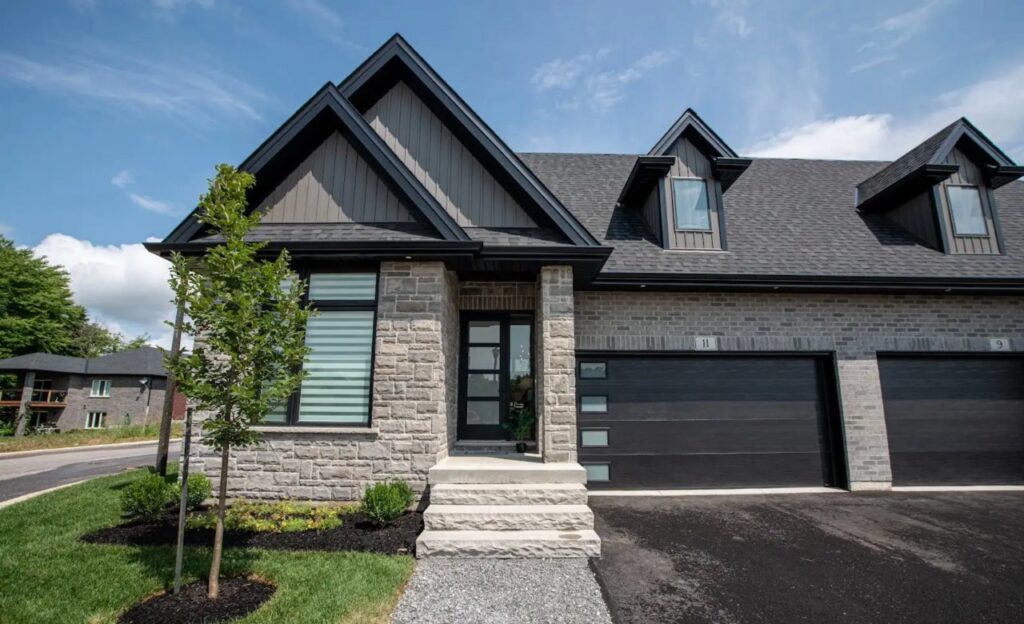
Think of building a custom home is like commissioning a tailored suit. A ready-made option might fit reasonably well, but nothing compares to something designed specifically for you, adjusted to your lifestyle, your preferences, and the realities of your site. That level of personalization always comes with a higher price tag. In California, this difference is especially pronounced. Choosing custom home building over purchasing an existing property is not just a financial decision but also a strategic investment in long-term value, performance, and design control.
The average cost per square foot for a custom home in California typically ranges from $400 to $700 per sq ft, while high-end and luxury projects in coastal and urban markets frequently exceed $800 to $1,000 per square foot. These figures reflect far more than construction alone. They incorporate architectural services, structural engineering, permit fees, site development, and compliance with some of the country’s strictest building codes.
Understanding the cost to build a home requires more than scanning a single number. The true cost of building a house in California depends on regional rates, the type of house selected, and how efficiently the building process is managed from concept to completion. When evaluating house costs in California, it is essential to consider not only the visible construction expenses but also the hidden and indirect factors that influence the final cost.
At Lima Architects Inc., we have guided homeowners, developers, and investors through every phase of custom home construction, from early feasibility studies to construction administration. Our integrated approach brings architectural, interior, and technical coordination together under one roof. This methodology helps control upfront cost, reduce hidden costs, and limit changes once construction begins, all of which directly affect the overall cost
This guide provides a comprehensive cost breakdown for anyone asking how much it costs to build a custom home in California. From per-square-foot build benchmarks to labour and material costs to regulatory requirements, you will gain the clarity needed to make informed decisions and protect your investment throughout the building process.
Understanding the Average Cost to Build a Custom Home in California
When homeowners ask how much it costs per square foot to build, they are often trying to quickly estimate the price of a square-foot home. However, the average price per square foot varies widely across parts of California, and it rarely captures the full scope of material and labour costs, regulatory complexity, or the financial impact of design changes.
A realistic cost to build a custom home must include architectural coordination, compliance with building codes, and the time required for approvals. Ignoring these elements often leads to underestimating the overall cost and increases the risk of budget overruns during construction.
Most custom home building projects fall into three general categories:
- Basic custom homes typically range from $300 to $400 per square foot, using standard finishes, simple layouts, and conventional systems.
- Mid-range custom homes generally range from $400 to $600 per sq ft, incorporating upgraded materials, more refined designs, and higher-performance mechanical systems.
- Luxury custom homes often cost $600 to $1,000+ per square foot, driven by complex architecture, premium materials, and advanced smart-home integration.
What makes price per square foot an incomplete metric is what it excludes. Land in California can range from $20,000 in rural areas to well over $500,000 in urban and coastal markets. Architectural and engineering services often account for 10% to 15% of the total cost to build a home, while permit fees and regulatory compliance can add $2,000 to $20,000 or more. Site preparation alone can add $15,000 to $60,000, even before construction begins.
Design complexity also plays a critical role. A simple rectangular floor plan with standard roof pitches minimizes waste and labour hours. In contrast, homes with multiple rooflines, large expanses of glass, or cantilevers require additional engineering, specialized labour, and longer construction timelines. This is where integrated design services create measurable value by aligning aesthetics with constructability from the start.
Average Price Per Sq Ft Across Different Parts of California
California’s diversity results in dramatic differences in construction costs across locations. Understanding these regional price ranges in California is essential when evaluating house prices and determining a project’s feasibility.
In Sacramento and the Central Valley, the cost per square foot to build typically ranges from $230 to $350, making these areas some of the most accessible markets for custom home building. Lower land prices and reduced labour costs in California’s inland regions contribute to a lower average cost. Permitting processes in these areas are often more streamlined, reducing delays in building.
The Bay Area and San Jose represent the highest end of the spectrum. Here, construction costs frequently range from $500 to $750 per square foot, with luxury homes exceeding $800 per square foot. Land scarcity, high demand, and premium labour costs drive these figures. Skilled trades often command $100 to $150 per hour, significantly increasing the overall cost.
Santa Rosa and coastal regions typically range from $400 to $650 per square foot. These areas face additional challenges, including coastal regulations, enhanced seismic requirements, and hillside construction. Retaining walls, access roads, and specialized foundations can add $50,000 to $150,000 or more to the total cost of building a house.
Location also affects approval timelines. A project approved in four months in the Central Valley may take nine to twelve months in a coastal jurisdiction. Each month of delay adds carrying costs that directly impact the final cost.
Architectural Design Costs When You Build a Custom Home
Architectural services are the foundation of a successful custom home. While design fees typically account for 10% to 15% of the total construction cost, they directly affect the efficiency of the home plan, the clarity of the building plans, and the likelihood of costly changes during construction.
A well-developed home plan reduces inefficiencies, supports accurate pricing, and minimizes disruptions once construction begins. Poorly coordinated plans often result in revisions, schedule delays, and increased labour costs.
Basic drafting services may cost $5,000 to $8,500, but they usually provide only minimum code-compliant drawings. Licensed architectural services, ranging from $8,000 to $30,000+, include site analysis, zoning navigation, system integration, and municipal coordination. These services significantly reduce risk and protect the overall cost.
Structural engineering is mandatory in California due to seismic requirements. Engineering fees typically range from $3,000 to $10,000 and cover foundation design, load calculations, and lateral systems. Without stamped drawings, permits cannot be issued,d and financing cannot be secured.
Additional requirements, such as Title 24 energy compliance, fire sprinkler design, and sustainability analysis, add upfront cost but improve long-term performance. Projects with comprehensive design coordination experience have far fewer change orders, protecting both schedule and budget.
Permitting, Zoning, and Regulatory Compliance Costs
California’s regulatory environment is among the most complex in the nation. Navigating this landscape requires expertise, patience, and realistic budget expectations. Permit and inspection fees typically range from $2,000 to $10,000 for straightforward projects, but complex designs in high-cost jurisdictions can push these costs to $20,000 or more.
Building Permit Fees and Inspections
Building permit fees cover multiple services provided by municipal building departments:
- Plan check reviews, ensuring code compliance
- Foundation inspections
- Framing inspections
- Mechanical rough-in inspections
- Insulation inspections
- Final inspections
These inspection services protect public safety and ensure your home meets minimum quality standards.
Zoning Compliance
Before designing your home, you must understand what’s legally permissible on your property:
- Setback requirements: Distance structures must be from property lines
- Height limits: Restrictions on vertical development
- Floor area ratio (FAR): Total building size relative to lot size
- Parking requirements: Minimum spaces required
- Landscaping minimums: Required green space
- Architectural design guidelines: Aesthetic standards
Lima Architects Inc.’s expertise in zoning compliance and municipal planning navigation prevents costly mistakes. We analyze zoning codes during the initial design phase to ensure your vision aligns with legal constraints before investing in detailed drawings.
Title 24 Energy Compliance
California’s nationally recognized energy efficiency standard adds both costs and long-term value. Compliance calculations typically cost $1,500 to $3,000 during the design phase. The standard requires:
- Specific insulation values
- High-performance windows
- Efficient HVAC systems
- LED lighting throughout the home
- Solar panel installations in many jurisdictions ($15,000-$40,000)
Environmental Review Requirements
Environmental review requirements vary by location and project scope:
- Coastal properties: California Coastal Commission review
- Wetlands proximity: Specialized environmental assessments ($5,000-$25,000)
- Endangered species habitats: Extended approval timelines (6-12 months)
- Archaeological sites: Additional studies and mitigation measures
Impact Fees and Development Charges
These fees fund infrastructure improvements, schools, parks, and public services necessitated by new development. In some California cities, impact fees can reach $30,000 to $50,000 for a single-family home. Understanding these fees during the budgeting phase prevents unwelcome surprises when permits are issued.
Professional architectural representation throughout the permitting process delivers measurable value. Building departments respond more favourably to complete, professionally prepared applications that demonstrate code knowledge and design competence.
Site Preparation and Land Development Costs for a Home in California
Site preparation costs are among the most frequently underestimated components of custom home budgets. The typical range of $15,000 to $60,000 covers basic site work, but challenging lots can significantly increase these costs.
Land Acquisition Costs
Land acquisition costs vary more dramatically than any other project component:
- Rural acreage (Central Valley): $20,000-$50,000
- Suburban lots (desirable school districts): $150,000-$400,000
- Prime urban locations (San Jose, Santa Rosa, coastal): $500,000+
Essential Site Work
Clearing and Grubbing
- Tree removal: $500-$2,000 per tree
- Significant vegetation clearing: $10,000-$20,000
- Tree replacement/mitigation fees for protected species
Excavation and Grading
- Simple lots: $5,000-$10,000
- Sloped lots: $20,000-$40,000
- Steep hillside properties: $30,000-$100,000+ (including retaining walls at $50-$150/sq ft)
Utility Connections
Utility connection costs depend on proximity to existing infrastructure:
- Municipal water/sewer (frontage access): $5,000-$15,000
- Extended utility runs: $25,000-$75,000
- Septic systems (rural areas): $15,000-$40,000
- Well drilling: $15,000-$50,000
Soil Testing and Geotechnical Reports
Mandatory in most California jurisdictions:
- Standard geotechnical reports: $2,000-$5,000
- Challenging soil conditions: Additional $5,000-$15,000 for specialized foundation designs
Access Considerations
- Street frontage with existing driveways: Minimal investment
- Landlocked parcels or steep access: $15,000-$50,000 for engineered driveways
Strategic lot selection delivers substantial cost savings. Flat lots with existing utility connections, minimal vegetation, and stable soils can save $40,000 to $80,000 compared to challenging hillside parcels. However, premium locations often justify higher site development costs through superior views, privacy, and long-term value appreciation.
Lima Architects Inc.’s building envelope design expertise optimizes site utilization. We analyze topography, solar orientation, views, and access during the conceptual design phase. By positioning the home to minimize grading, maximize natural drainage, and take advantage of existing site features, we reduce site preparation costs while enhancing the home’s relationship with its surroundings.
Labour and Material Cost Breakdown
Labour accounts for 30% to 40% of your total construction budget, making it thelargest cost category. California’s competitive labour market, driven by robust construction activity and limited availability of skilled tradespeople, keeps wages high.
Labor Costs
Skilled tradespeople command premium rates throughout California:
- Electricians, plumbers, HVAC technicians: $100-$150/hour
- Framers, finish carpenters, specialized installers: $100-$150/hour
- Typical 2,500 sq ft home: 3,000-5,000 labour hours = $300,000-$600,000 in labour costs
Material Quality Tiers
Standard Materials
- Dimensional lumber, basic plywood
- Fiberglass insulation
- Vinyl windows
- Most economical option
Mid-Range Materials
- Engineered lumber, higher-grade plywood
- Spray foam insulation
- Aluminum-clad wood windows
- Better performance and aesthetics
Premium Materials
- Exotic hardwoods, stone cladding
- High-performance insulation systems
- Custom-fabricated architectural elements
- Maximum quality and distinction
Design Complexity and Labour Requirements
Simple rectangular floor plans with standard roof pitches minimize labour hours. Conversely, homes featuring curved walls, multiple roof planes, extensive cantilevers, or complex ceiling details require specialized skills and additional time. Each architectural flourish increases labour costs by 20% to 40% compared to simpler designs.
Specialized Labor Considerations
- Multi-story construction: Scaffolding, safety equipment, and additional coordination
- Steep roof pitches (9:12 or greater): Specialized safety systems, slower progress
- Extensive glass installations: Precision framing, custom flashing, careful material handling
Sustainable and High-Performance Materials
Modern custom homes increasingly incorporate:
- Advanced framing techniques (reduced lumber, improved energy performance)
- High-performance windows with low-E coatings and argon fills
- Continuous exterior insulation systems
- Rainscreen cladding
- Advanced air sealing details
These materials cost more upfront but dramatically reduce heating and cooling expenses while delivering superior comfort and durability.
Supply Chain Considerations
- Standard materials (local suppliers): Quick delivery, lower costs
- Custom materials (imported tile, specialty hardware): Longer lead times, higher prices
- Timing: Balance between early ordering (storage risk) and late ordering (construction delays)
Integrated design coordination minimizes material waste and labour inefficiencies. When architects design in standard material dimensions — 4-foot, 8-foot, and 16-foot increments common in lumber and sheet goods — cutting waste decreases substantially. Lima Architects Inc.’s detail-oriented approach ensures construction documents provide the clarity contractors need to build efficiently and accurately, protecting your budget throughout the construction phase.
Smart Home Systems and Their Effect on Build Costs
Interior finishes typically account for 20% to 30% of total construction costs and offer the most visible return on your investment. The quality spectrum ranges from builder-grade materials to custom, artisan-crafted elements.
Flooring Choices
| Material Type | Cost per Sq Ft (Installed) | Characteristics |
|---|---|---|
| Carpet/Vinyl Plank | $3-$8 | Economical, versatile |
| Engineered Hardwood | $8-$15 | Good durability, attractive |
| Solid Hardwood | $12-$25+ | Premium appearance, long-lasting |
| Natural Stone/Premium Tile | $20-$40+ | Luxury finish, requires skilled installation |
Cabinetry Investment
- Stock cabinets: $100-$300 per linear foot
- Semi-custom cabinets: $300-$650 per linear foot
- Fully custom cabinetry: $650-$1,500+ per linear foot
Custom cabinetry designed specifically for your space delivers precise fit, superior materials, and design details that define your home’s character.
Countertop Selections
- Laminate: $20-$50/sq ft installed
- Granite and quartz: $60-$150/sq ft
- Exotic stones with complex fabrication: $200+/sq ft
Your kitchen and primary bathroom countertops receive daily use and visual attention, making them good candidates for a higher investment.
HVAC System Choices
- Standard forced-air systems: $8,000-$15,000
- High-efficiency zoned systems: $15,000-$30,000
- Radiant floor heating: $15-$25/sq ft
- Geothermal systems: $25,000-$50,000 upfront (lowest operational costs long-term)
Smart Home Technology Integration
Smart home systems have evolved from a luxury amenity to a standard expectation:
- Basic systems (programmable thermostats, smart lighting, security cameras): $3,000-$8,000
- Comprehensive systems (lighting, climate, security, entertainment, window treatments): $15,000-$50,000+
These systems enhance convenience, security, and energy efficiency while increasing home value and appeal to tech-savvy buyers.
Plumbing Fixtures
- Standard fixtures: $500-$1,500 per bathroom
- Mid-range fixtures: $1,500-$4,000 per bathroom
- Luxury fixtures (freestanding tubs, rainfall showers, designer faucets): $8,000-$15,000 per bathroom
Lima Architects Inc.’s integrated interior design expertise optimizes finish coordination from the project’s inception. Rather than selecting finishes after architectural design is complete, we consider interior aesthetics during space planning. This ensures that architectural details complement finish selections, that lighting designs enhance material choices, and that the overall aesthetic vision remains cohesive throughout the home.
Strategic Budget Allocation
Focus investment where it delivers maximum impact:
- High-priority spaces: Kitchens, primary bathrooms, great rooms, entry spaces
- Secondary spaces: Standard selections in bedrooms, secondary bathrooms
- Result: Maximum perceived value while controlling total costs
Long-Term Operational Considerations
High-efficiency HVAC systems, LED lighting, low-flow plumbing fixtures, and durable flooring materials cost more initially but reduce utility bills and maintenance expenses for decades. When evaluating finish options, consider the total cost of ownership — initial price plus operational costs over the home’s life — rather than upfront costs alone.
Hidden Costs and Essential Contingency Planning
Experienced developers and homeowners always maintain a contingency fund of 10% to 15% for unforeseen expenses. California’s complex construction environment generates surprises that even the most thorough planning cannot entirely eliminate.
Construction Loan Costs
Unlike traditional mortgages, construction loans involve interest-only payments during the building period:
- Origination fees: 1%-2% of loan amount
- Appraisal fees: $500-$1,500
- Draw inspection fees: $100-$300 per draw
- Total construction loan costs: $15,000-$50,000 (depending on project size)
Unexpected Costs When You Build a Custom Home
Soil reports provide valuable information, but cannot predict every subsurface condition:
- Rock during excavation: $10,000-$30,000 additional
- Poor soil bearing capacity: $15,000-$75,000 for specialized foundations
- Underground springs/high water tables: Drainage systems and waterproofing
Permit and Approval Delays
Each month of delay adds carrying costs:
- Land loan interest
- Construction loan interest (if drawn)
- Property taxes
- Insurance
- Six-month delay cost: $18,000-$30,000 in carrying expenses alone
Change Orders
When homeowners modify designs after construction begins, every change cascades through multiple trades. Moving a wall affects framing, electrical, plumbing, HVAC, insulation, and finish work. A seemingly simple change can cost $2,000 to $10,000 once all affected trades complete their modifications. Projects with numerous change orders can exceed budgets by 20% to 40%.
Lima Architects Inc.’s project management from concept through construction administration specifically addresses change order prevention. Our comprehensive design process involves detailed client consultations, thorough documentation, and realistic 3D visualizations that help you understand the design before construction begins.
Weather-Related Delays
Winter rain can halt foundation and framing work for days or weeks. Each delay extends the construction timeline, increasing loan interest and pushing completion dates. Experienced contractors build weather contingencies into schedules, but unusual weather patterns can still generate unexpected costs.
Utility Connection Surprises
Utility companies may require infrastructure upgrades:
- Transformer installations
- Service line extensions
- Capacity improvements
- Potential additional cost: $5,000-$25,000
Insurance Requirements During Construction
- Builder’s risk insurance: 1%-4% of construction value
- Liability insurance: $2,000-$8,000 annually (if acting as owner-builder)
The value of experienced consultant coordination in preventing costly surprises cannot be overstated. Architects who coordinate closely with structural engineers, civil engineers, geotechnical consultants, and energy specialists identify potential conflicts and challenges during design development. Lima Architects Inc.’s extensive consultant network and coordination expertise protect your budget by anticipating challenges and designing solutions before construction begins.
Conclusion
Building a custom home in California in 2026 is not a single expense but a layered investment that unfolds over time. From land acquisition and site preparation to architectural design, permitting, labour, materials, and long-term operating costs, every decision compounds. Cost per square foot provides a useful starting point, but it is only meaningful when understood in context alongside regional conditions, regulatory requirements, and the design’s complexity.
The most successful custom home projects are not defined by the lowest initial estimate, but by clarity, coordination, and foresight. Early investment in professional architectural and engineering services reduces risk, limits change orders, and creates a smoother path through California’s demanding approval and construction environment. Thoughtful design choices, realistic contingencies, and strategic budget allocation allow homeowners to balance performance, aesthetics, and cost control without sacrificing long-term value.
In a market where labour costs are high, regulations are stringent, and timelines can shift, integrated planning is the most powerful cost-management tool available. When architecture, interior design, engineering, and permitting are aligned from the outset, the result is not only a more predictable budget but also a home that performs better, lasts longer, and responds precisely to its site and occupants.
Ultimately, a custom home is both a financial commitment and a personal statement. With the right team, informed expectations, and a comprehensive understanding of the true cost of building in California, that commitment becomes a strategic investment.
Lima Architects Inc. provides the experience, technical depth, and coordinated approach required to navigate complexity with confidence, guiding each project from initial concept through construction completion while protecting quality, budget, and long-term value. Contact us now
FAQs
-
1. What is the average cost per square foot to build a custom home in California?The average cost per square foot to build a custom home in California ranges from $400 to $700. High-end and luxury homes in coastal or major urban markets often command prices of $800 to $1,000 per square foot. Final pricing depends on location, design complexity, material selections, labour rates, and regulatory requirements.
-
2. Does the cost per square foot include land and permits?No. Cost per square foot generally reflects only construction costs. Land acquisition, architectural and engineering fees, permit and impact fees, site preparation, utility connections, financing costs, and contingency allowances are calculated separately. In California, these additional items can represent a significant portion of the total project budget.
-
3. Why is it more expensive to build a custom home in California than in other states?Building a custom home in California is more expensive due to strict seismic codes, Title 24 energy requirements, environmental regulations, high labour costs, and extended permitting timelines. Coastal regulations, hillside construction constraints, and prolonged approval processes further increase overall project costs.
-
4. How much should I budget for architectural and design services?Architectural and engineering services typically account for 10% to 15% of the total cost to build a custom home. This includes architectural design, structural engineering, energy compliance documentation, and coordination with consultants. Investing in comprehensive design services helps reduce construction risk, limit change orders, and protect the overall budget.
-
5. What contingency budget is recommended when building a custom home in California?A contingency fund of 10% to 15% of the total construction budget is strongly recommended. This allowance helps cover unforeseen conditions such as soil issues, utility upgrades, permit delays, material price fluctuations, and weather-related impacts that commonly arise during custom home construction in California.
Next Steps
Toronto retail succeeds when landlords and developers design the ground floor as an operating asset that supports tenant flexibility, omnichannel operations and a safe, comfortable public realm all year round. Small technical decisions — such as modular storefronts, glazed setbacks, base-building MEP headroom, and quick-install canopies — compound into measurable increases in rent, lower vacancy exposure, and stronger neighbourhood value. Pair these design moves with an early AST/PAC strategy and clear leasing packages to maximize ROI and shorten time‑to‑income.
If you’d like a Toronto-specific review of a storefront or ground-floor strategy, Lima Architects can assess your site, run a short pro forma showing likely rent uplift, and outline the municipal and construction steps required to achieve it. Request a free consultation with Lima Architects to turn your street retail into a competitive, year‑round asset.