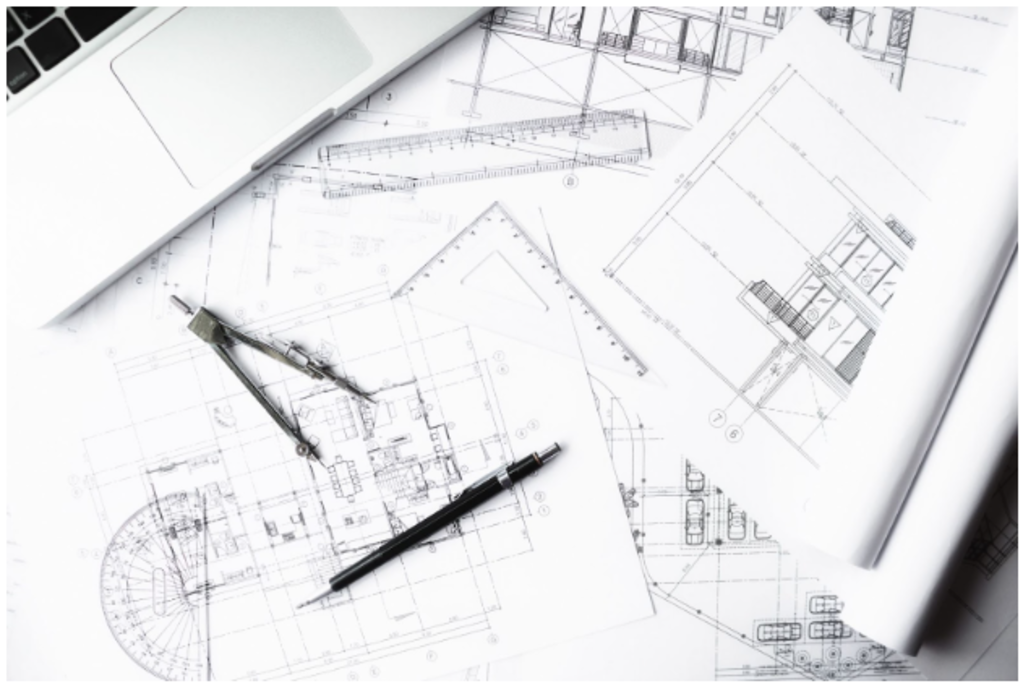
Building a custom home in Ontario is one of the most rewarding projects you can undertake, but it is also one of the most complex. From early decisions about floor plan layouts to the final inspection, the success of your custom home building process depends on one core element: custom home architectural drawings. These drawings serve as a roadmap for every stage of the project, from initial consultation and permit applications to construction start and the final walkthrough.
If you are a homeowner, developer, or future home buyer planning to build a custom home, this article gives you clear, practical information (without overwhelming jargon) on what architectural drawings are, how they are developed, how long they take, and how they tie into timelines, permits, builder coordination, and compliance with local regulations in Ontario. The examples reflect how experienced firms such as Lima Architects Inc. work with clients in the Greater Toronto Area and Southern Ontario.
By the end of this article, you will understand what drawings you receive, how they support the construction process, what to expect from your builder, how approvals and building permits work, and how timelines usually unfold so you can approach your custom home journey with confidence.
What Are Custom Home Architectural Drawings And Why They Matter
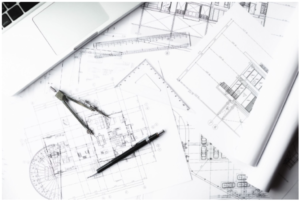
Architectural drawings are precise visual representations that translate your dream home into a buildable plan. They connect your early ideas, rough sketches, and vision to the technical realities of construction, zoning compliance, and municipal approvals. These drawings combine spatial planning, structural detail, and code compliance into a single set of documents that builders, inspectors, engineers, and municipal staff can read the same way.
Imagine telling your home builder you want a dream home that “feels spacious.” Without accurate drawings, each installer, framer, plumber, and electrician interprets that differently. With custom home architectural drawings, room sizes, wall alignments, and structural elements are all clearly defined in measurable terms. This reduces guesswork and ensures the final house reflects your vision, not interpretations of it.
Good drawings also protect you legally and financially. Municipal staff use them to check compliance with local regulations, zoning bylaws, setbacks, tree protection rules, height limits, and many other requirements before issuing a building permit. Without properly coordinated drawings that meet these requirements, your permit is delayed — and delays cost time and money. Proper drawings also reduce costly surprises during the construction phase, from foundation work through framing, plumbing, and final inspection.
A well-crafted set of architectural plans also supports accurate pricing. Builders rely on these construction documents to prepare realistic bids, so you know what the cost of building will be. Poor or incomplete drawings often lead to builder change orders during construction, which are expensive and stressful.
Learn how Lima Architects Inc. approaches custom home architectural design here:
https://limaarchitectsinc.com/our-process/
The Types Of Architectural Drawings You Will Receive
When you commission architectural drawings for a custom home, you do not get just one sketch or a single floor plan. You receive a coordinated set of drawings, each serving a specific purpose. Together, they provide enough detail for your builder to start construction, for municipal staff to review the project, and for building inspectors to approve the work at every stage.
Floor Plans
Floor plans show the horizontal layout of each level, including room sizes, hallways, stairs, kitchens, bathrooms, and utility areas. They are often the first drawings clients study because they show how the home functions from room to room. Floor plans also include dimensions, labels, and annotations that builders rely on to frame, plumb, and finish your home.
Exterior Elevations
Elevations are flat views of each side of your house, showing how materials, windows, and rooflines appear from each direction. They help you visualize the exterior aesthetic and curb appeal, and help municipalities verify conformance with height limits and architectural controls.
Sections And Roof Plans
Vertical sections cut through the house to show relationships among floors, ceiling heights, insulation, wall assemblies, and the structure. Roof plans indicate slopes, valleys, drainage paths, and rooftop elements such as chimneys or solar panels. These are critical for builder alignment and inspection approval.
Site Plan Or Plot Plan
The site plan shows how your home sits on the lot, including setbacks, grading, driveways, walkways, utility connections, and septic systems if applicable. It also shows tree protection areas and easements. This is essential for permit applications because municipalities need to confirm that the home fits the lot and complies with local rules.
Construction Details And Schedules
Detail drawings explain complex areas, including stair assemblies, custom millwork, window installation details, finishes, and structural connections. Door and window schedules list each door and window unit by size, type, material, and glazing, so nothing is overlooked by your builder.
These drawings together form your construction document set, which guides everything from building your foundation to delivering the final touches. This clear coordination is what makes a custom home truly buildable.
How Architectural Drawings Are Developed
The process of creating architectural drawings is iterative and involves you at every step, so your custom home design evolves from idea to construction-ready documents.
First is the initial consultation. Here, you discuss your goals, lifestyle needs, site conditions, projected budget, timeline, and future needs, such as a home office space or a possible basement suite. This is also where Lima Architects Inc. looks at zoning rules, feasibility, and permit requirements, so you start on solid ground.
Next comes the schematic design phase. This is where your desires are translated into initial floor plans and usually a front elevation. These drawings focus on room sizes, circulation, and spatial relationships. They are intentionally flexible so you can request changes early, when revisions are least costly.
Once the overall layout is approved, the design development phase begins. The entire set of floor plans, all exterior elevations, detailed layouts for kitchens and bathrooms, and coordination with structural engineers begins here. Structural grids, anticipated beam locations, and roof concepts appear in the drawings at this stage.
After design development, the project enters the construction documents phase, also called work drawings. At this stage, every wall, window, and roof slope is dimensioned. Sections and details are clearly drawn, schedules are coordinated, and notes explain the materials and assembly. Structural engineering, energy modelling, and truss layouts are added and cross-checked. This package is then ready for pricing and permits.
Optionally, 3D renderings can be created to help you visualize the home more fully before construction begins. Renderings turn 2D drawings into images that show how materials, colours, and space will look once the custom home is built, making decisions easier before the custom home building process starts.
Realistic Timeline Expectations
Understanding how long architectural drawings take helps you plan financing, hire a builder, and avoid rushed decisions that lead to costly mistakes.
Here are rough but realistic timeframes:
- Preliminary design and schematic drawings: 3–8 weeks
- Design development: 2–4 weeks
- Construction document development: 4–8 weeks
- Consultant work (structure, energy reports, survey, truss layout): 2–4 weeks
- Municipal permit review and approval: 4–12 weeks
Most custom home projects, from the first consultation to permit-ready drawings, fall within the 8–16-week range, but factors such as lot topography, complex designs, or multi-unit projects can extend this timeline.
A well-managed timeline allows you to book your professional home builder, prepare for material selection, and align the start of construction with key seasonal windows.
Preparing Before The Drawing Process Begins
Before design starts, important preparation saves time and money:
- Secure your building lot or have a firm agreement in place.
- Set a realistic preliminary budget that reflects both construction and design costs.
- Prepare a wish list and inspiration file with photos, room priorities, and lifestyle needs.
- Decide how you want to work with your builder and design team: design–build together, or design first, then have the builder provide pricing.
This preparation gives architects and builders a clear framework to create a perfect plan that aligns with your vision and what is buildable on your site.
How Drawings Support Builder Coordination & Construction
Architectural drawings are not just paper documents — they are the foundation of the construction process. A professional home builder uses them to understand sequencing, material quantities, structural requirements, inspection checkpoints, and finish expectations. Without accurate drawings, site work, framing, plumbing, electrical, and final inspection become open to interpretation, leading to costly delays and change orders.
Good drawings also improve communication and alignment between your architect, builder, and trades. When everyone reads the same information, work stays coordinated, inspections pass quickly, and the project moves from foundation work to handing over the keys more smoothly.
Custom home architectural drawings are the backbone of a successful build. They allow your vision to become real, they reduce risk, support permits, align builders, and protect your investment. When handled by professionals like Lima Architects Inc., these drawings reflect both strong design and practical buildability, keeping your custom home building journey on track, on time, and aligned with your goals.
If you are ready to build your custom home in Ontario or the Greater Toronto Area, learn more or book an initial consultation here:
FAQs
-
1. How much do custom home architectural drawings typically cost in Ontario?
Architectural fees often range from 8–15% of the construction cost, depending on complexity and services.
-
2. Can you make changes after the drawings are complete?
Small adjustments are usually possible before permit submission; changes after approval or during construction are more complex and costly.
-
3. Do I need an architect, or can I use a designer?
Architects provide deeper expertise in design thinking, structural logic, and building code compliance, especially important for complex custom homes.
-
4. How long does the building permit process take?
Permit reviews usually take about 4 – 12 weeks after a complete submission, depending on municipality workload and project complexity.
-
5. What happens if the drawings do not comply with local rules?
Municipalities issue comments for revision, which delays approval. The better coordinated the drawings, the smoother the permit process.
Next Steps
Toronto retail succeeds when landlords and developers design the ground floor as an operating asset that supports tenant flexibility, omnichannel operations and a safe, comfortable public realm all year round. Small technical decisions — such as modular storefronts, glazed setbacks, base-building MEP headroom, and quick-install canopies — compound into measurable increases in rent, lower vacancy exposure, and stronger neighbourhood value. Pair these design moves with an early AST/PAC strategy and clear leasing packages to maximize ROI and shorten time‑to‑income.
If you’d like a Toronto-specific review of a storefront or ground-floor strategy, Lima Architects can assess your site, run a short pro forma showing likely rent uplift, and outline the municipal and construction steps required to achieve it. Request a free consultation with Lima Architects to turn your street retail into a competitive, year‑round asset.