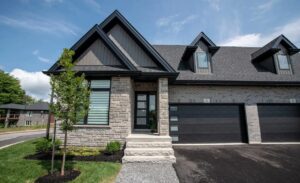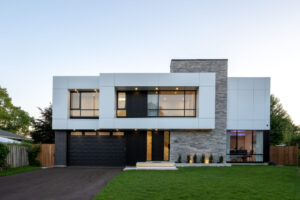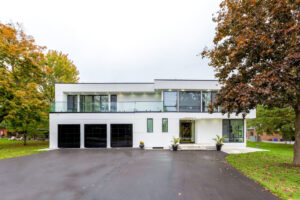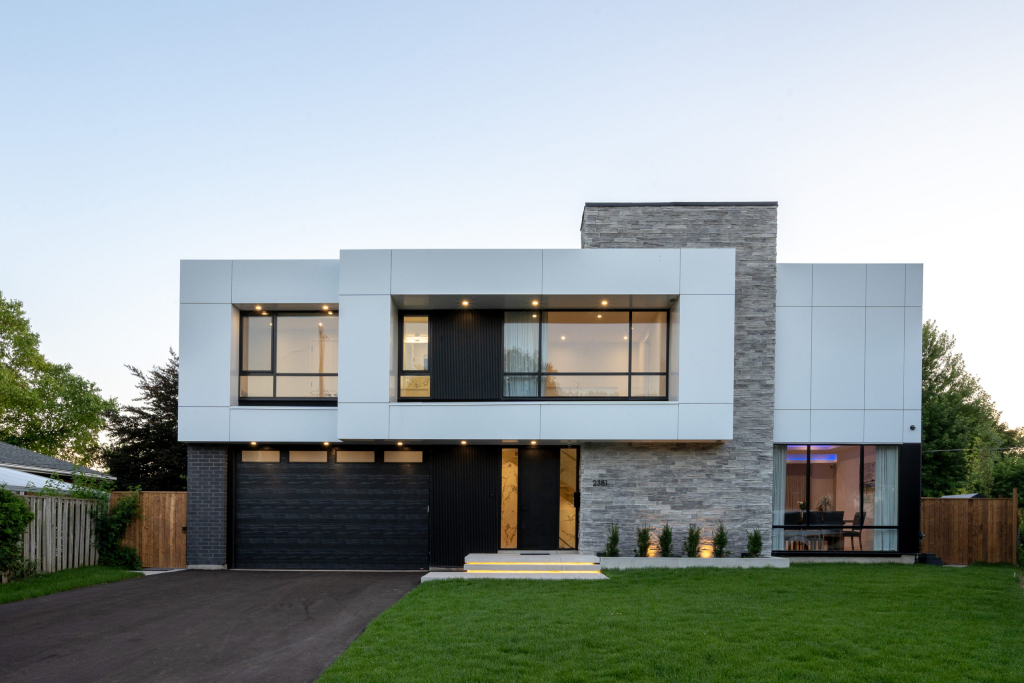
Picture standing on a mature Burlington street lined with tall trees, evaluating a property with the potential to become a new custom home built from the ground up around your lifestyle. The difference between a standard build and a residence defined by craftsmanship often comes down to working with the right architect, an experienced architectural firm that specializes in custom home architecture, architectural design, and residential design in Burlington, Ontario. When design services, zoning, and the building permit process are handled together, a house moves beyond generic plans and becomes a home that truly reflects your vision.
Located in the heart of the GTA, Burlington continues to attract homeowners, home builders, and anyone looking to build, renovate, or invest in property renovations. Demand for custom homes, home additions, and full home renovation and home remodelling projects continues to rise as families look for spaces that support modern living, hybrid work, and long-term comfort. At the same time, local zoning, site plan approval, the Committee of Adjustment, and Ontario’s permitting process add layers of complexity that make professional architectural services in Burlington essential.
Lima Architects Inc. is a full-service architectural firm, specializing in custom homes, home renovations, and design-build solutions in Burlington, Oakville, and across the GTA, delivering exceptional services. From consultation to discuss your vision, through concept design, committee of adjustment application, site plan approval, and construction administration, the firm’s team of architects and architectural technologists supports clients every step of the way. This article breaks down 2026 design trends, real-world costs, and how the right local architects can bring your dream house to life with confidence and peace of mind.
What Makes Burlington, Canada An Ideal Location For Custom Home Architecture
Burlington offers a rare mix of lakefront views, established neighbourhoods, and quick access to Toronto, Oakville, and the wider GTA. That combination makes it especially attractive to anyone looking to build a new custom home or renovate their current home rather than move farther away. You get the comfort of quiet streets and parks along with strong transit links and major highways.
Within Burlington’s boundaries, property types vary widely, which keeps design interesting:
- Lakefront estates with sweeping views of Lake Ontario
- Suburban family lots near schools and parks
- Tight infill sites in mature neighbourhoods
- Multi-generational properties that call for flexible layouts
Each zone has its own design guidelines, setbacks, and height rules, which shape how a custom home or home additions can be planned. A one-size-fits-all design approach rarely works here.
The city places strong emphasis on planned growth, sustainable development, and neighbourhood character. Local zoning by-laws, site plan control in some areas, and design guidelines for certain streets all influence what an architect can propose. When handled well, these rules help protect property value and support long-term investment by keeping new homes compatible with their surroundings.
Top Custom Home Design Trends Shaping Burlington Architecture In 2026
In 2026, custom home architecture in Burlington is shaped by a clear shift toward thoughtful, efficient, and flexible living. Styles may range from modern to traditional, but the priorities underlying them are similar. People want homes that feel calm, work for daily life, support health, and stand up well over time in Ontario’s climate.
One major focus is sustainable and green building design. More homeowners ask about energy-efficient envelopes, triple-glazed windows, air-tight construction, and high-performance insulation. Many projects use heat pumps, energy recovery ventilators, and high-efficiency boilers to lower utility bills. Some clients also explore LEED-inspired strategies, from better water use to solar-ready roofs, so the home is built to last and future upgrades are straightforward.
Smart home integration is another strong trend. Instead of adding technology later, wiring, control panels, and equipment locations are planned from the concept design stage. That allows for clean installation of:
- Whole-home lighting control
- Motorized shades
- Audio and media systems
- Advanced security and surveillance
- Energy monitoring and smart thermostats
When an architect and electrical consultant coordinate from the start, these systems work quietly in the background while daily life stays simple.
Open-concept and flexible living spaces remain in high demand, but with greater attention to zoning and privacy within the home. Large kitchens with islands often open to family rooms, while sliding partitions, pocket doors, or secondary living areas allow quiet spaces when needed. Dedicated home offices, study nooks for kids, and rooms that can shift between guest use and hobby space help the house adapt as your life changes.
Biophilic design plays a growing role in Burlington custom homes. Architects are orienting floor plans and window openings to capture southern light, garden views, and glimpses of the lake where possible. Skylights, larger patio doors, and glass walls to covered terraces soften the line between indoors and outdoors. Natural materials such as wood, stone, and plant-based finishes support a calm feel that pairs well with Burlington’s parks and waterfront.
Many homeowners still prefer timeless exteriors with modern function. You see classic gabled roofs, natural stone, and brick combined with large energy-efficient windows and clean detailing. Inside, wellness-focused design is evident in spa-style bathrooms, dedicated fitness or yoga rooms, and mechanical systems optimized for indoor air quality. Aging-in-place and universal design elements, such as wider halls, curbless showers, and stacked closets ready for a future elevator, let you enjoy your home safely through every stage of life.
Navigating Burlington’s Municipal Approvals And Building Permit Process
Even the most beautiful design cannot move forward without municipal approvals. In Burlington, every new custom home, most home additions, and many renovation projects require a building permit before any construction work starts. For lots under site plan control or with special design guidelines, multiple approvals may be required, which can feel overwhelming if you are not used to working with city staff.
The first layer involves zoning rules. These by-laws set limits on height, lot coverage, setbacks, and uses for each zone. Before Lima Architects Inc. develops final drawings, the team checks these standards against your goals, so you do not fall in love with a design that cannot be built. When a design approaches the limits, a detailed zoning review helps confirm what is possible and where strategic adjustments may be required.
If a desired design does not fully meet zoning standards but still fits well within the neighbourhood, a committee of adjustment application may be needed. This is common when a family wants a slightly larger addition, a taller roofline, or a different placement on the lot. Architects prepare minor variance applications, provide drawings and planning rationales, and can represent you during hearings so your case is clear and professional.
Some sites, especially larger ones or properties near key corridors, fall under site plan control. In those cases, the city reviews driveways, parking layouts, walkways, grading, drainage, landscaping, and exterior design before granting site plan approval. This step comes before or alongside the building permit and requires careful coordination between the architect, civil engineer, and city planning staff.
In simple terms, many projects interact with all of the following:
- Zoning review
- Committee of adjustment (for minor variances)
- Site plan control (where applicable)
- Building permit review under the Ontario Building Code
Cost Breakdown For Custom Home Architecture In Burlington (2026)
Budgeting for a custom home or a home renovation in the GTA requires a realistic understanding of current material and labour costs.
New Custom Home Construction
For a new custom home in Burlington, costs vary significantly based on GFA (Gross Floor Area) and finish quality:
- Standard Build: $350 – $450 per square foot.
- Luxury Custom Build: $500 – $700+ per square foot.
- Example: A 4,000 sq. ft. modern custom home typically requires a budget of $2,000,000 to $2,800,000, depending on the complexity of the architectural design.
Home Additions and Extensions
Home additions are a strategic way to add space without the stress of moving. Costs for home additions in 2026 generally follow these parameters:
- Horizontal Additions (Rear/Side): $400-$500 per square foot. These are ideal for expanding kitchens or adding family rooms, but may require relief for lot coverage.
- Vertical Additions (Second Storey): $300-$360 per square foot. While they avoid costly foundation work, they often require structural reinforcement of the existing home building.
- Small Bump-outs (50-300 sq. ft.): $450 – $600 per square foot due to fixed costs.
Whole Home Renovations
A whole home transformation is often the best path for anyone looking to renovate an older property in established neighbourhoods like Mineola or Shoreacres.
- Partial Remodel: $100,000 – $250,000.
- Full Gut and Renovation: $250,000 – $500,000.
- Luxury Whole Home Remodel: $500,000 – $1,000,000+.
How To Select The Right Custom Home Architect For Your Burlington Project
Selecting the right architect is one of the most important choices you will make for your custom home or major renovation in Burlington. An architect shapes your house on paper and your experience through the design and permitting process. A thoughtful decision here can save time, reduce stress, and protect your budget.
Start by reviewing experience and portfolio. Look for residential design work that feels aligned with your taste, whether it leans modern, traditional, or blends the two. Projects in Burlington, Oakville, and nearby Ontario communities show that a firm already understands local regulations, design guidelines, and common construction methods in the region.
Next, pay attention to team structure and collaboration. Firms like Lima Architects Inc., which combine architects with interior designers, architectural technologists, and engineers, provide a more comprehensive service. That means details, from cabinetry layouts to structural spans, can be considered early rather than worked out in the field.
Regulatory knowledge is another key factor. Ask how often the firm handles building permit submissions, committee of adjustment files, and site plan approval. A strong track record of municipal approvals reduces the risk of delays. Also, make sure the firm can clearly explain its design process, from the initial consultation through construction administration, so you know what to expect.
It also helps to prepare a few questions for any architect you meet:
- How do you structure your design phases and timelines?
- What is included in your base fee, and what might be extra?
- How will you help align the design with my budget?
- How do you communicate during design and construction?
Fee structure and scope need to be transparent. Clarify what is included, such as concept design, construction drawings, permit management, and construction review. If sustainability is important to you, confirm that the firm is comfortable with green building strategies and, where relevant, LEED-style goals. Finally, speak with past clients and listen to your instincts. You should feel that your architect listens to you, respects your budget, and is ready to be a genuine partner in building your dream home.
Custom home architecture in Burlington offers a powerful way to create a house that fits your life instead of forcing your life to fit a standard plan. When you work with experienced custom home architects in Burlington, Canada, you gain not only creative design but also guidance through zoning, permits, and construction. That support matters, especially as 2026 brings more focus on sustainability, smart systems, and flexible layouts.
Understanding design trends, the full architectural process, and a realistic cost breakdown helps you make informed choices from the first consultation. You can see how architectural services, engineering, surveys, municipal approvals, and construction all link together into one complete project delivery.
Lima Architects Inc. stands out as a full-service architectural firm that blends strong design, technical expertise, and local regulatory knowledge with a calm, client-focused approach. From concept design and committee of adjustment applications to construction administration and final review, the team stays by your side.
If you are looking to build a new custom home, plan a renovation, or take your home renovation to the next level in Burlington or the wider GTA, now is a good time to start. Schedule a consultation to discuss your vision, explore site options, and see how a thoughtful design process can lead to a beautiful, functional, and enduring home that lasts for years to come.
FAQs
-
1. How Much Does It Cost To Hire A Custom Home Architect In Burlington?
Architectural fees in Burlington are often based on a percentage of construction cost, a fixed fee, or hourly billing. For full-service custom homes, many firms charge between 8% and 15% of the construction value, depending on project size and complexity. This usually covers concept design, construction drawings, permit submissions, and construction administration. When you consider how design quality, fewer site issues, and smoother approvals protect your budget, comprehensive architectural services offer strong long-term value.
-
2. How Long Does The Custom Home Design And Approval Process Take In Burlington?
A typical custom home design timeline starts with four to six weeks for initial consultation and concept design, depending on how quickly you make decisions. Design development and detailed construction drawings can add eight to twelve weeks, especially for larger or more complex projects. Building permit review often takes six to twelve weeks, and that can extend if a committee of adjustment hearing or site plan approval is needed. Working with an architect who knows Burlington’s permitting process can help avoid delays by ensuring complete, well-prepared submissions.
-
3. Do I Need An Architect For A Home Addition Or Major Renovation In Burlington?
For small cosmetic updates, you may not need an architect, but any significant addition, structural change, or whole-home renovation in Burlington benefits greatly from professional design. An architect coordinates structural engineering, creates clear drawings for permits, and plans how new and existing areas fit together. Most additions, removal of load-bearing walls, and major exterior changes require a building permit, and architectural drawings are a standard part of that package. With an architect guiding the process, you gain better space planning, code compliance, and higher long-term property value.
-
4. What Sustainable Design Options Are Available For Custom Homes In Burlington?
Sustainable custom homes in Burlington can include high-performance insulation, triple-pane windows, and air sealing to reduce energy loss. Many homeowners choose efficient HVAC systems, such as heat pumps, along with heat-recovery ventilation and solar panel options. Low-VOC finishes, water-saving plumbing fixtures, and careful daylighting design also support a healthier interior. Firms like Lima Architects Inc. focus on sustainable strategies and can guide you through options that fit your budget while lowering operating costs and environmental impact.
-
5. How Do I Navigate Zoning By-Laws And Committee Of Adjustment Applications In Burlington?
Zoning by-laws in Burlington control building height, setbacks, lot coverage, and permitted uses on each property. Before a design is finalized, an architect reviews these rules to confirm what is allowed. When a project needs a minor variance, such as a small setback reduction or height increase, a committee of adjustment application is required. This process involves detailed drawings, written planning reasons, public notice, and a hearing. Having an experienced architect like Lima Architects Inc. manage and present your application helps clarify your case and increases the chances of a smooth approval.
Next Steps
Toronto retail succeeds when landlords and developers design the ground floor as an operating asset that supports tenant flexibility, omnichannel operations and a safe, comfortable public realm all year round. Small technical decisions — such as modular storefronts, glazed setbacks, base-building MEP headroom, and quick-install canopies — compound into measurable increases in rent, lower vacancy exposure, and stronger neighbourhood value. Pair these design moves with an early AST/PAC strategy and clear leasing packages to maximize ROI and shorten time‑to‑income.
If you’d like a Toronto-specific review of a storefront or ground-floor strategy, Lima Architects can assess your site, run a short pro forma showing likely rent uplift, and outline the municipal and construction steps required to achieve it. Request a free consultation with Lima Architects to turn your street retail into a competitive, year‑round asset.